Solar is a popular upgrade for Canberra homes, and it’s easy to see why. Sunny days are plentiful, and many households want to reduce their power bills.
But before panels go up, it’s worth thinking about the roof they’ll be sitting on. Panels are designed to stay in place for many years. If the roof underneath needs work during that time, the panels may need to be removed and reinstalled, which adds cost and hassle.
Here’s how to make sure your roof is ready.
Why roof condition matters
Solar panels are fixed to your roof with brackets or rails. Installers need sound tiles, sheets and framing to fix into. Once installed, the panels cover a large area of the roof, making it harder to inspect or repair what’s underneath.
Doing any necessary roof work first means:
- You avoid paying to remove and refit panels later
- Fixings go into sound materials
- Leaks are less likely around brackets and penetrations
- Your roof and panels can last together
Signs your roof may need work first
From the ground, with binoculars, look for:
- Cracked, slipped or missing tiles
- Crumbling ridge pointing
- Rust, lifted sheets or loose screws on metal roofs
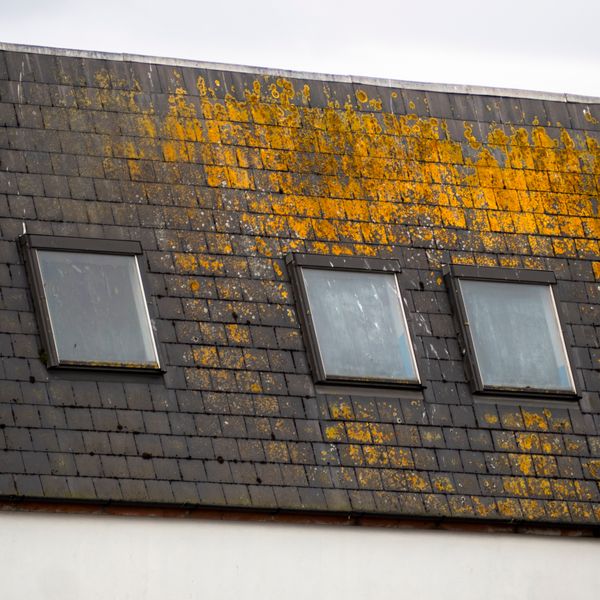
- Moss or heavy lichen build-up
- Sagging roof lines
- Water stains on ceilings inside
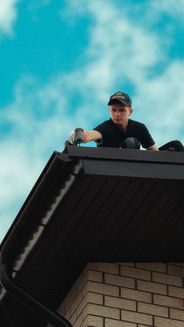
Please don’t climb onto the roof to check. A professional roofer can safely inspect the areas where panels will go.
Practical tip: Ask your solar installer for a layout plan showing where panels will sit. Share it with your roofer so they can focus on those sections during their inspection.
Questions to think about
How old is the roof?
If your roof is getting near the end of its life, it may make sense to restore or replace it before going solar. A roofer can give you an honest assessment of how many years it has left.
What is the roof made of?
Different materials have different considerations:
- Concrete and terracotta tiles need brackets fitted under the tiles. Tiles can crack if walked on or handled carelessly.
- Metal roofs typically use brackets fixed through the sheets into the battens or purlins, with proper sealing at each penetration.
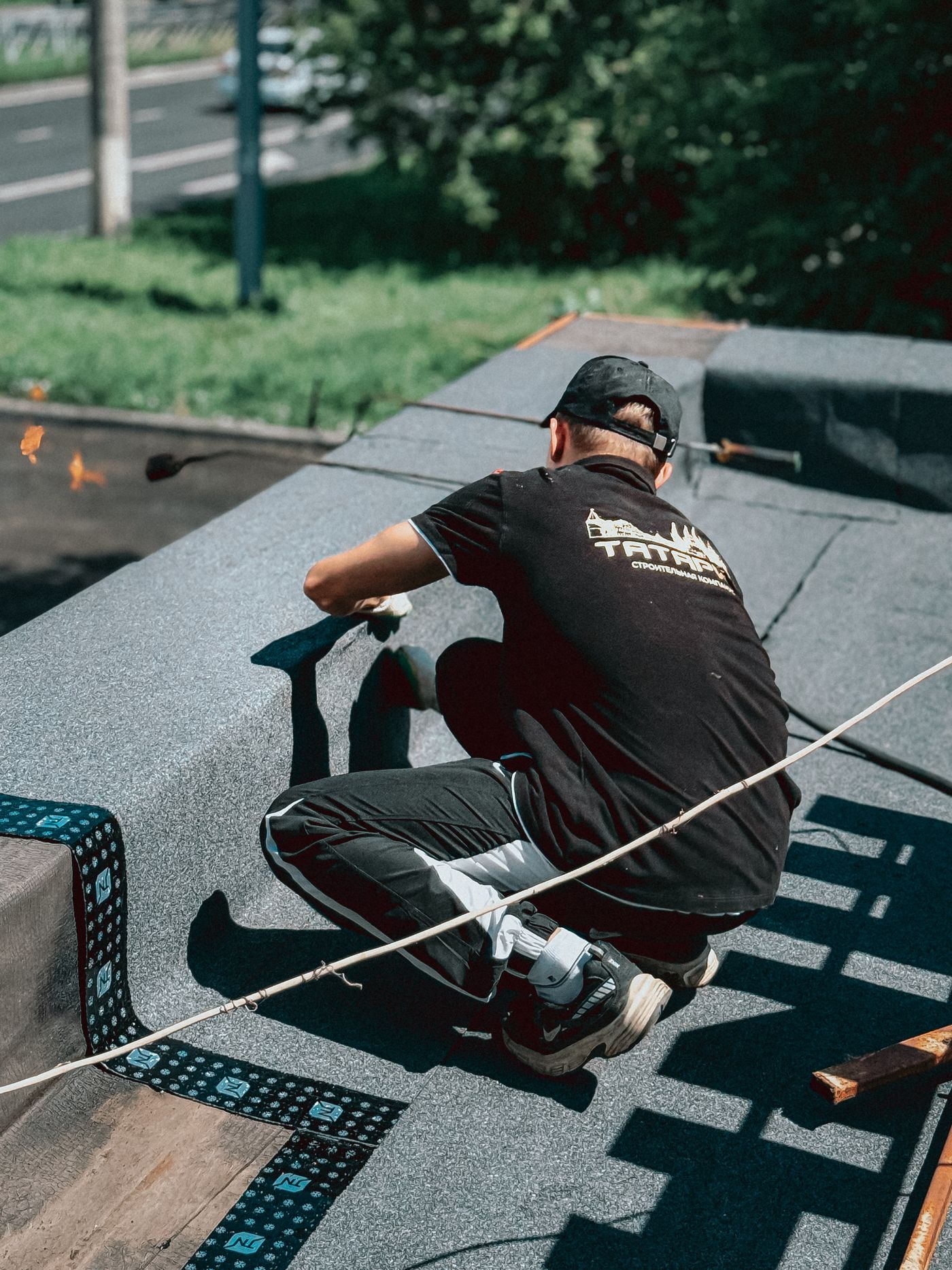
- Flat roofs may need tilt frames and careful attention to the waterproofing membrane.
Is the structure up to it?
Panels add weight and wind load. In most cases this is fine, but older or modified roofs may need checking. Your installer should confirm this as part of their design.
Roof work worth doing before solar
Depending on what the inspection finds, you might consider:
- Replacing broken tiles and re-bedding or re-pointing ridge caps
- Tile roof restoration, including cleaning and coating, if the roof is otherwise in good shape
- Replacing rusted screws or damaged sheets on metal roofs
- Fixing flashings around chimneys, vents and skylights
- Cleaning and repairing gutters, since access can be trickier once panels are in place
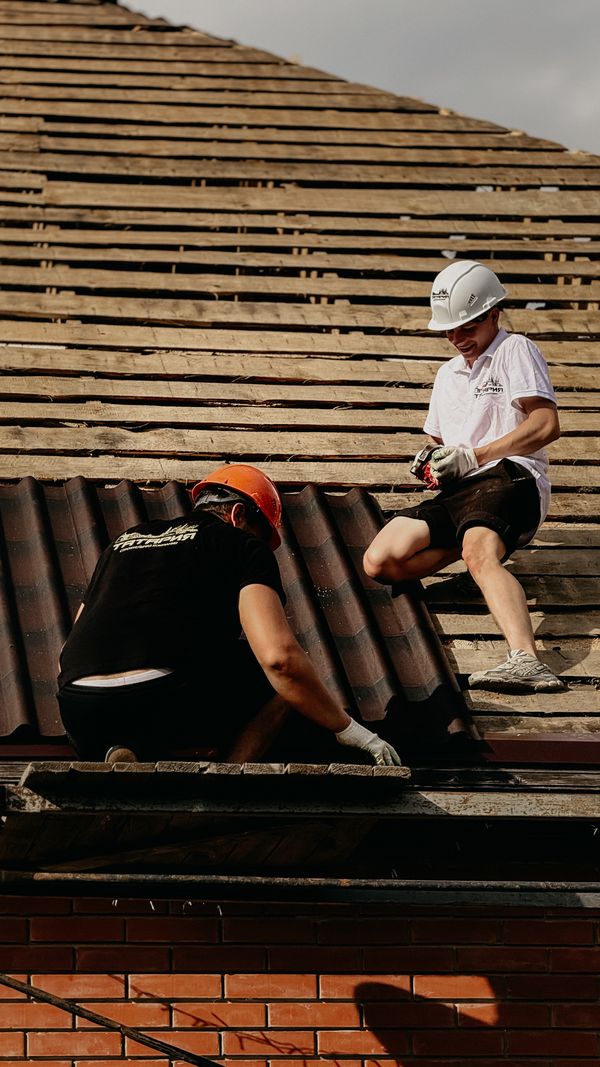
- Re-roofing, if the existing roof is near the end of its life
Coordinating your roofer and solar installer
Good communication between trades makes everything smoother.
- Book the roof inspection before signing off on the solar design
- Allow time for roof repairs to be completed before installation day
- Ask your solar installer how they protect tiles and sheets during installation
- Keep records of roof work and solar installation together, including warranties
After installation
Once panels are up, keep an eye on ceilings below them for any signs of leaks, especially after the first few heavy rains. If anything looks wrong, contact your installer or roofer promptly.
A note on warranties
Roof work and solar installations often come with separate warranties. Ask each provider what their warranty covers, and whether work by other trades affects it. Keep all paperwork in one place.
If you’re planning to go solar, the Roofing team can carry out a free pre-solar inspection and let you know whether any work is worth doing first.