Replacing a roof is one of the bigger projects you’ll take on as a homeowner. It’s noisy, it involves scaffolding and skip bins, and for a short time your house will feel a bit like a work site. Knowing what’s coming makes it much less stressful.
Here’s how a typical roof replacement runs, from first conversation to final handover.
Before work starts
Inspection and quote
It starts with a thorough inspection. A roofer will look at the condition of your existing roof covering, the battens and frame, the gutters and flashings, and how the roof drains. They’ll also look at access around the house for scaffolding and materials.
A good quote should be itemised and clear about:
- What’s being removed and what’s being installed
- Sarking, insulation and any ventilation upgrades
- Gutters, downpipes and flashings
- Safety equipment such as scaffolding or edge protection
- Waste removal
- How unexpected issues, like rotten timber, will be handled and priced
Choosing materials and colours
You’ll usually choose the roofing material, profile and colour at this stage. If you’re switching from tiles to metal, or making other changes, ask whether any approvals or estate guidelines apply. Your roofer should be able to point you in the right direction.
Scheduling
Roof work depends on the weather. Your start date might move if rain or strong winds are forecast. That’s normal and safer for everyone, including your home, since nobody wants a roof opened up just before a storm.
Preparing your home
A little preparation goes a long way:
- Clear the area around the house. Move cars, outdoor furniture, pot plants and kids’ toys away from the walls.
- Protect the roof space. Cover stored items in the ceiling space with drop sheets, as dust and debris can fall through.
- Secure wall hangings. Vibration from above can shift pictures and mirrors, so take down anything fragile.
- Plan for pets. The noise can upset dogs and cats. Some owners arrange a few days at a friend’s place or a boarding kennel.
- Talk to your neighbours. A quick heads-up about noise, trucks and a skip bin is always appreciated.
During the job
Day one: setting up
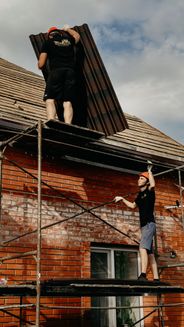
Scaffolding or edge protection usually goes up first, along with a skip bin and material delivery. This day can be busy with trucks coming and going.
Stripping the old roof
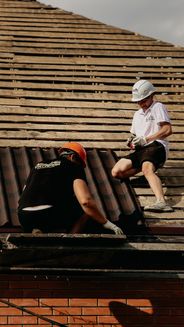
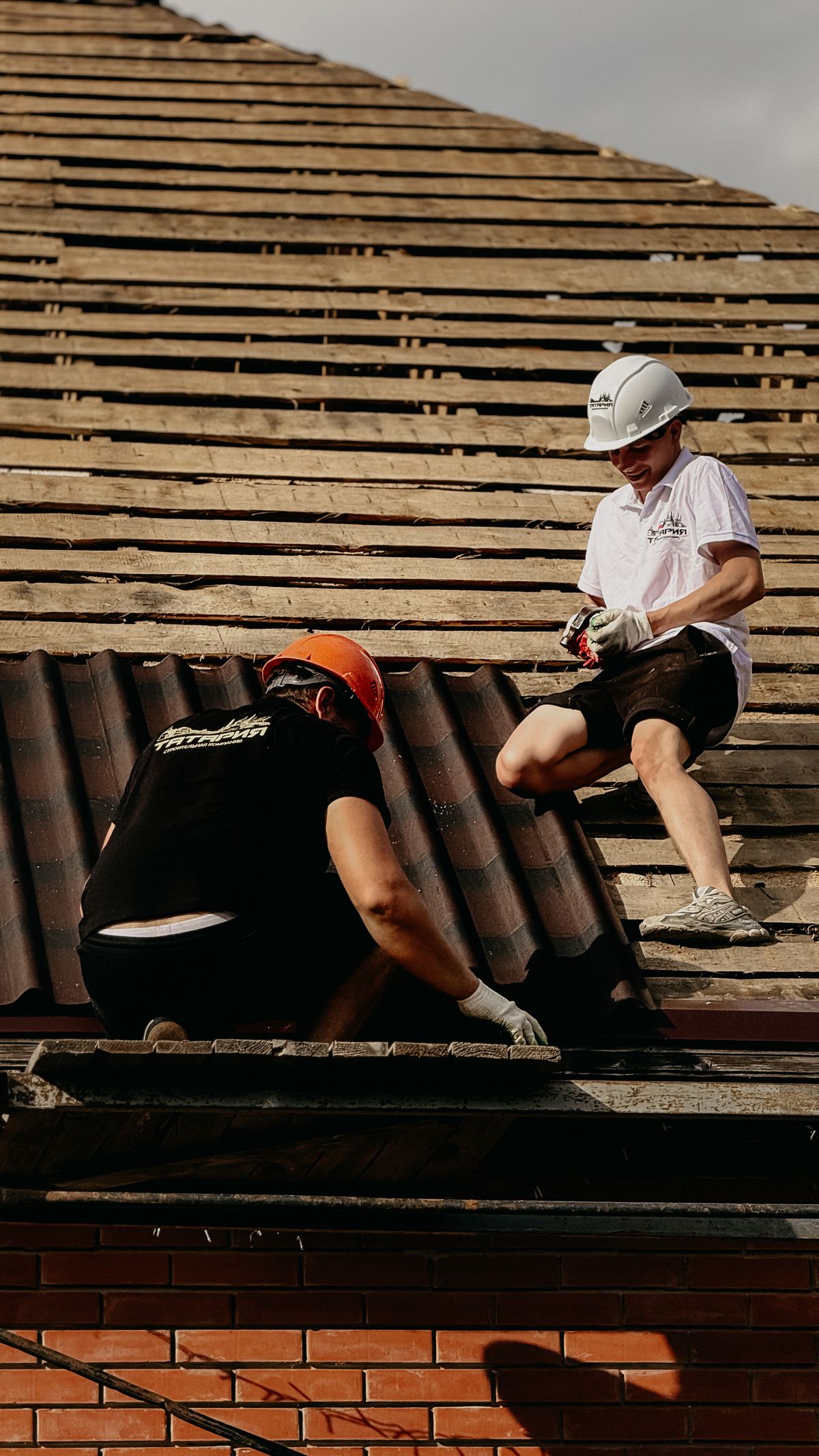
The old tiles or sheets are removed, often one section at a time so the roof is never fully open. This is the noisiest and dustiest part of the job.
Once the old covering is off, the roofer can see the battens and frame properly. If there’s damaged or rotten timber, they’ll talk to you about it before going further.
Installing the new roof
Next comes:
- Repairing or replacing battens where needed
- Laying sarking and any insulation blanket
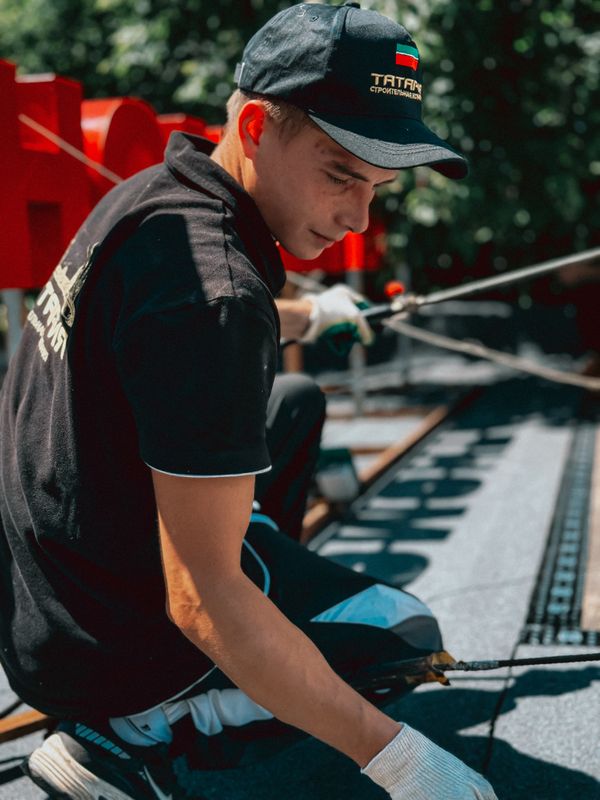
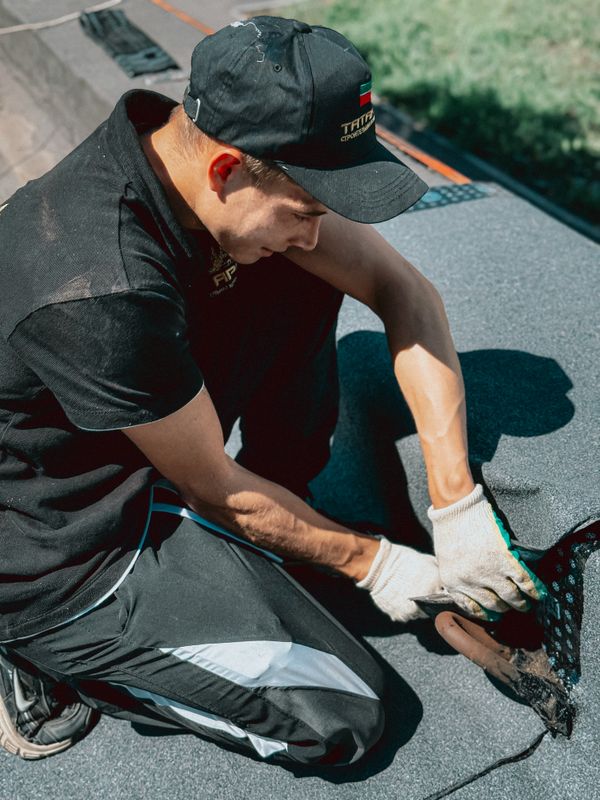
- Fixing the new roofing material
- Installing flashings around chimneys, walls, vents and skylights
- Fitting ridge capping and new gutters and downpipes, if included
Practical tip: Ask your roofer for a quick update at the end of each day. A two-minute chat on the driveway keeps you in the loop and helps catch any questions early.
How long does it take?
It varies with the size of the roof, the material, the weather and any surprises found underneath. A straightforward single-storey re-roof may take around a week. Larger or more complex homes take longer. Your roofer should give you an estimate for your job.
Finishing up
At the end of the job, the crew should:
- Clean out gutters and remove offcuts and screws
- Sweep and magnet the yard for stray fasteners
- Remove the skip bin and scaffolding
- Walk you around the finished roof from the ground, pointing out the key details
You should receive your invoice, any warranty documents and product information. File these somewhere safe.
After the job
For the first few rains, keep an eye on ceilings and walls inside, just as you would after any building work. If anything doesn’t look right, contact your roofer straight away.
Remember not to climb onto the new roof yourself. If you need to check something, use binoculars from the ground or call the team back.
If you’re starting to think about a new roof, the Roofing team can carry out a free inspection and walk you through your options before any decisions are made.