Canberra winters are hard on a roof. Frosty mornings, freezing nights and the odd heavy downpour put stress on tiles, flashings and gutters that may have coped fine all summer. Small problems that start in autumn tend to become leaks by July.
The good news is that most early warning signs can be spotted from the ground. You don’t need to climb a ladder, and you shouldn’t. Grab a pair of binoculars, pick a dry, clear day, and walk slowly around your home.
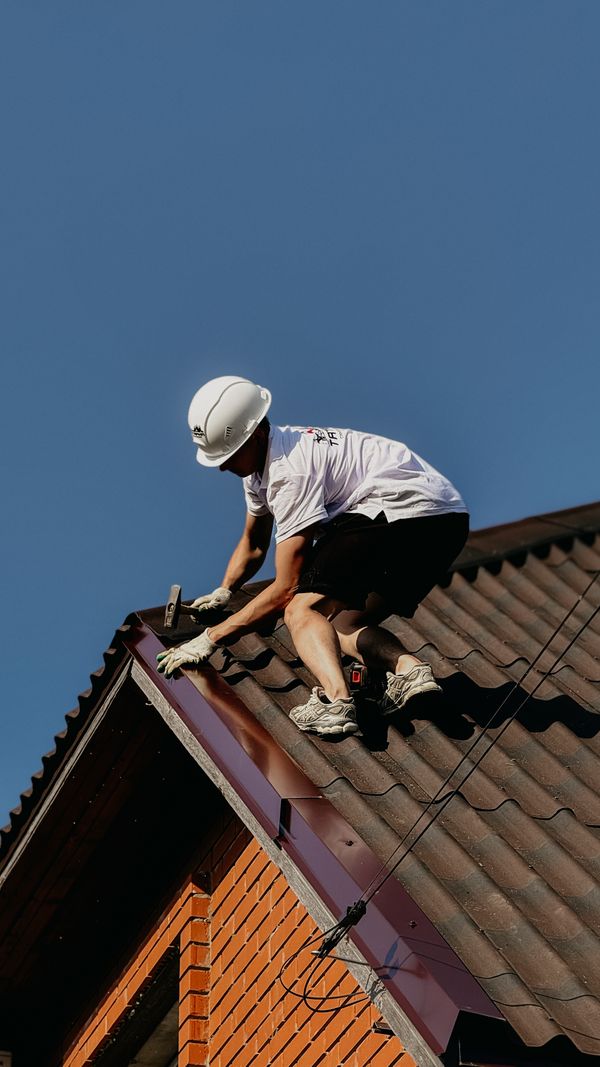
Safety first: Please don’t climb onto your roof. Tiles can crack underfoot, metal sheeting is slippery when damp, and a fall from even a single-storey roof can cause serious injury. Everything in this guide can be checked from the ground or from inside your home.
1. Cracked, slipped or missing tiles
Look along each roof plane for tiles that sit out of line, have visible cracks or leave a gap. Even one displaced tile can let water reach the sarking or timber battens below.
Freeze-thaw cycles make this worse. Water that gets into a hairline crack expands when it freezes overnight, widening the crack a little more each time.
2. Moss, lichen and debris build-up
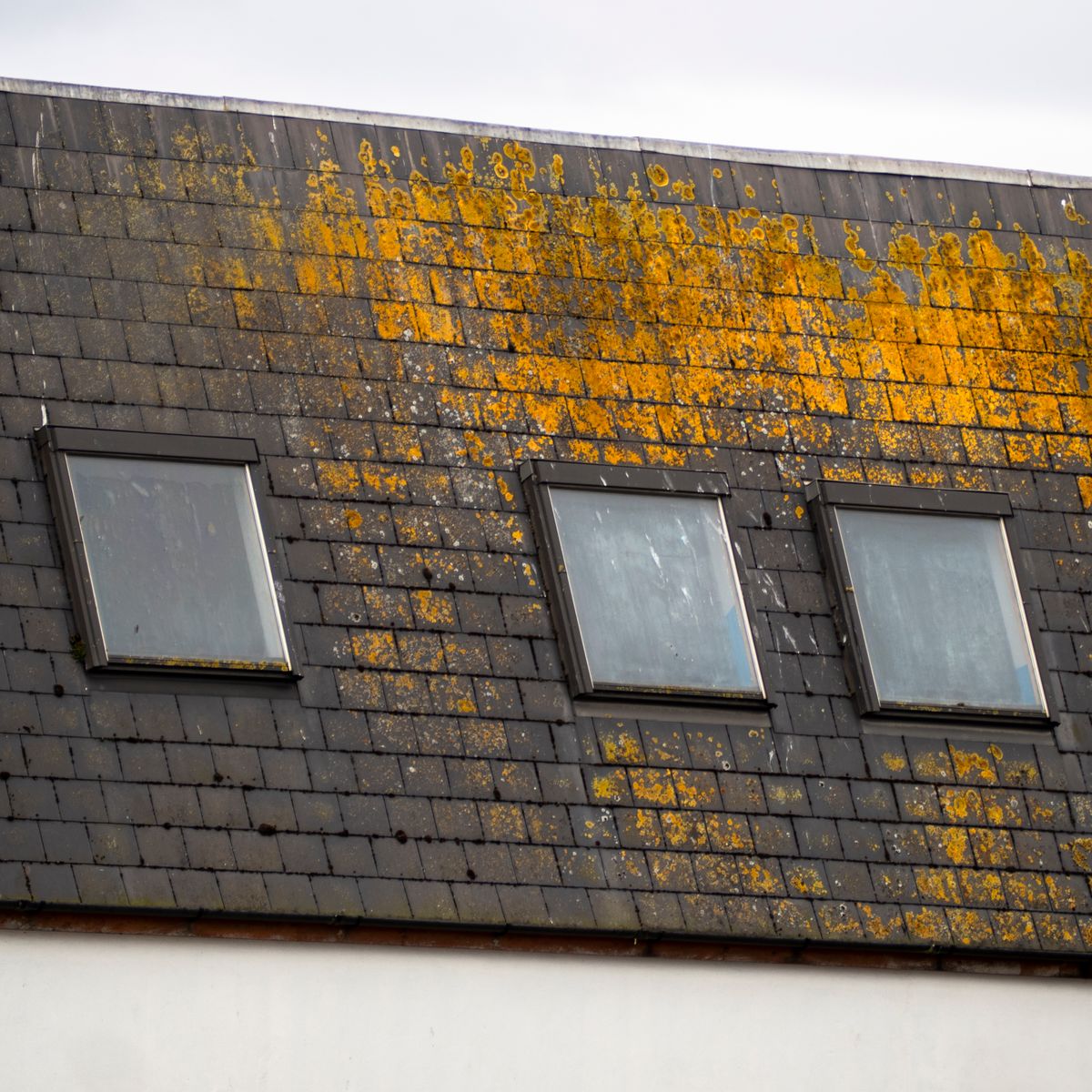
A bit of lichen is common on older tiles, but thick moss holds moisture against the roof surface. Over time it can wear down the glaze or coating and block the channels water needs to drain.
Watch for leaves and twigs collecting in valleys, too. A blocked valley acts like a dam during heavy rain.
3. Sagging or overflowing gutters
Gutters that dip in the middle, pull away from the fascia or show water stains on the outside are not draining properly. Common causes include:
- Leaf litter and sediment blocking the outlet
- Brackets that have rusted or loosened
- Gutters installed with too little fall towards the downpipe
Overflowing gutters can push water back under the roof edge and into eaves and wall cavities.
4. Cracked or crumbling ridge capping
The ridge caps along the top of a tiled roof are bedded and pointed with mortar or a flexible compound. When that pointing cracks or falls away, caps can loosen and let water in at the highest point of the roof.
From the ground, look for gaps, missing chunks or caps that look uneven against the skyline.
5. Rust, lifted screws or loose flashings
On metal roofs, check for rust spots, sheets that look lifted at the edges and screws that appear to have backed out. Around chimneys, vents and skylights, look at the flashings. They should sit flat and tight against the roof and wall.
Flashings are a very common source of winter leaks because they deal with the joins between different materials.
6. Stains or damp patches inside
Head inside and check ceilings, cornices and the tops of walls, especially in rooms below valleys, skylights or chimneys. Signs to note:
- Brown or yellow water stains
- Bubbling or flaking paint
- A musty smell in a particular room or cupboard
- Mould spots in corners that weren’t there before
If you can safely look into your roof space with a torch, check for damp insulation, water marks on timbers or daylight showing through.
7. A roof that looks uneven or wavy
Stand back across the street and look at the roof line. It should look straight and even. A dip, bow or sag can point to moisture damage in the timber frame or a structural issue that needs a professional opinion quickly.
What to do if you spot something
Take photos and note where the problem is, both outside and inside. This helps a roofer understand what’s going on before they arrive and gives you a record if you ever need to make an insurance claim.
Then book an inspection before the weather turns. Repairs are generally simpler, and easier to schedule, when they’re done in dry autumn conditions rather than in the middle of a wet spell.
A quick pre-winter checklist
- Walk around the house with binoculars on a clear day
- Check gutters and downpipes after the last big leaf drop
- Look inside at ceilings below valleys and penetrations
- Trim overhanging branches (from the ground, or with an arborist)
- Arrange a professional inspection if anything looks off
If you’ve noticed any of these signs, the team at Roofing can take a closer look. Book a free inspection and we’ll let you know what needs attention now and what can wait.