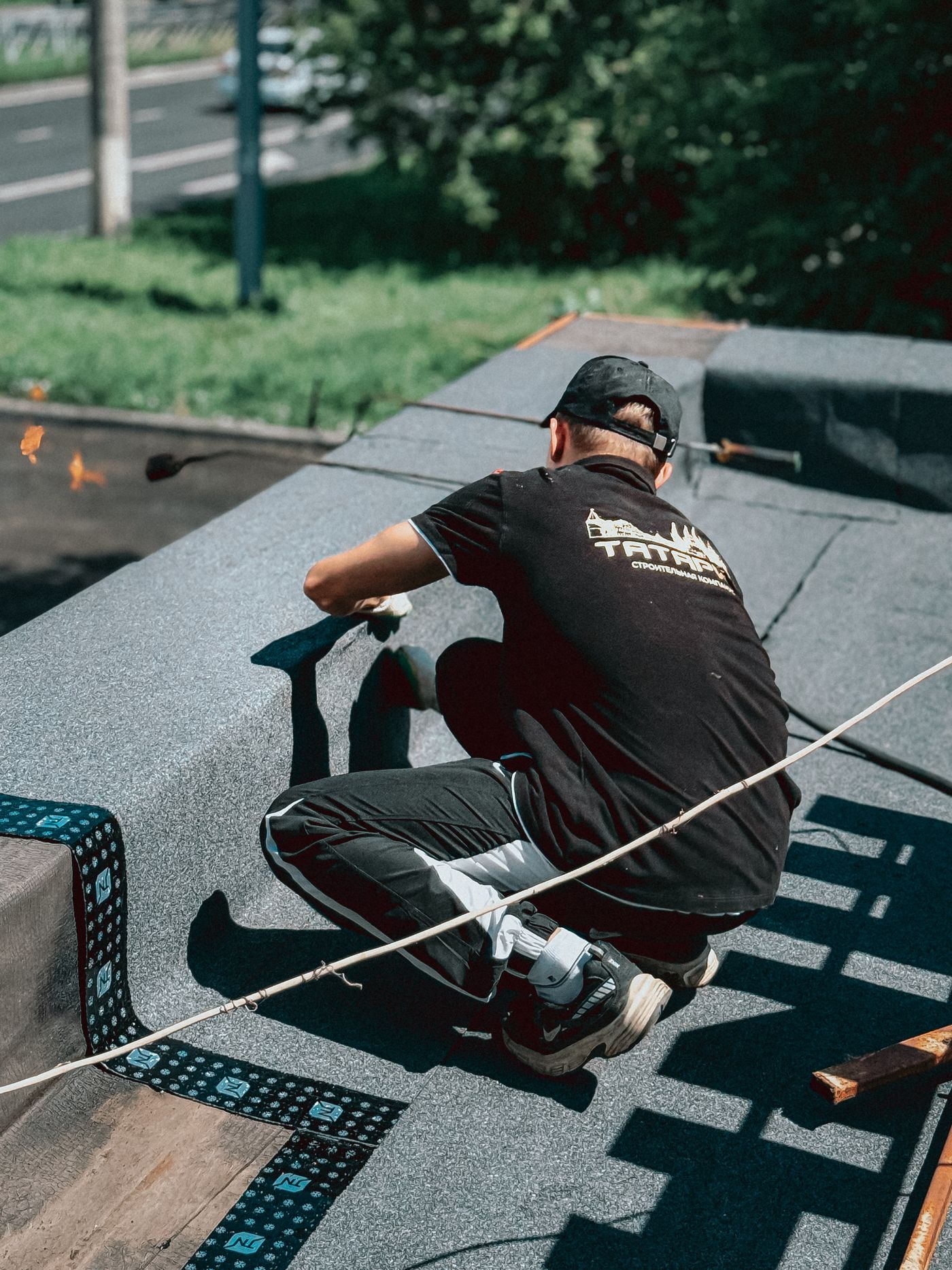
This three-storey office building in Braddon has a large concrete roof deck housing air-conditioning plant and a lift overrun. The original membrane had been patched several times, and after a wet spring two tenancies on the top floor reported ceiling stains and drips over workstations.
The property manager needed a long-term fix that would not disrupt the businesses operating below.
Assessing the roof
We surveyed the roof after rain and mapped where water was sitting. Around a third of the deck held water for days at a time, mostly in areas that were far from the two existing outlets. The membrane had blistered across these areas, and several laps had opened up around the plant plinths.
Core samples showed the old membrane was not well bonded, so an overlay was not suitable. It needed to come off.
Planning around tenants
Working on an occupied commercial building takes planning. We agreed a schedule with the property manager that kept the noisiest stripping work to early mornings and moved crane lifts outside peak traffic times on Lonsdale Street. Each section was stripped and sealed with a temporary layer on the same day, so the building was never exposed overnight.
The new system
Once the old membrane was removed, we:
built up sand and cement screeds to create falls toward new drainage points
installed two additional sumps with overflow outlets through the parapet
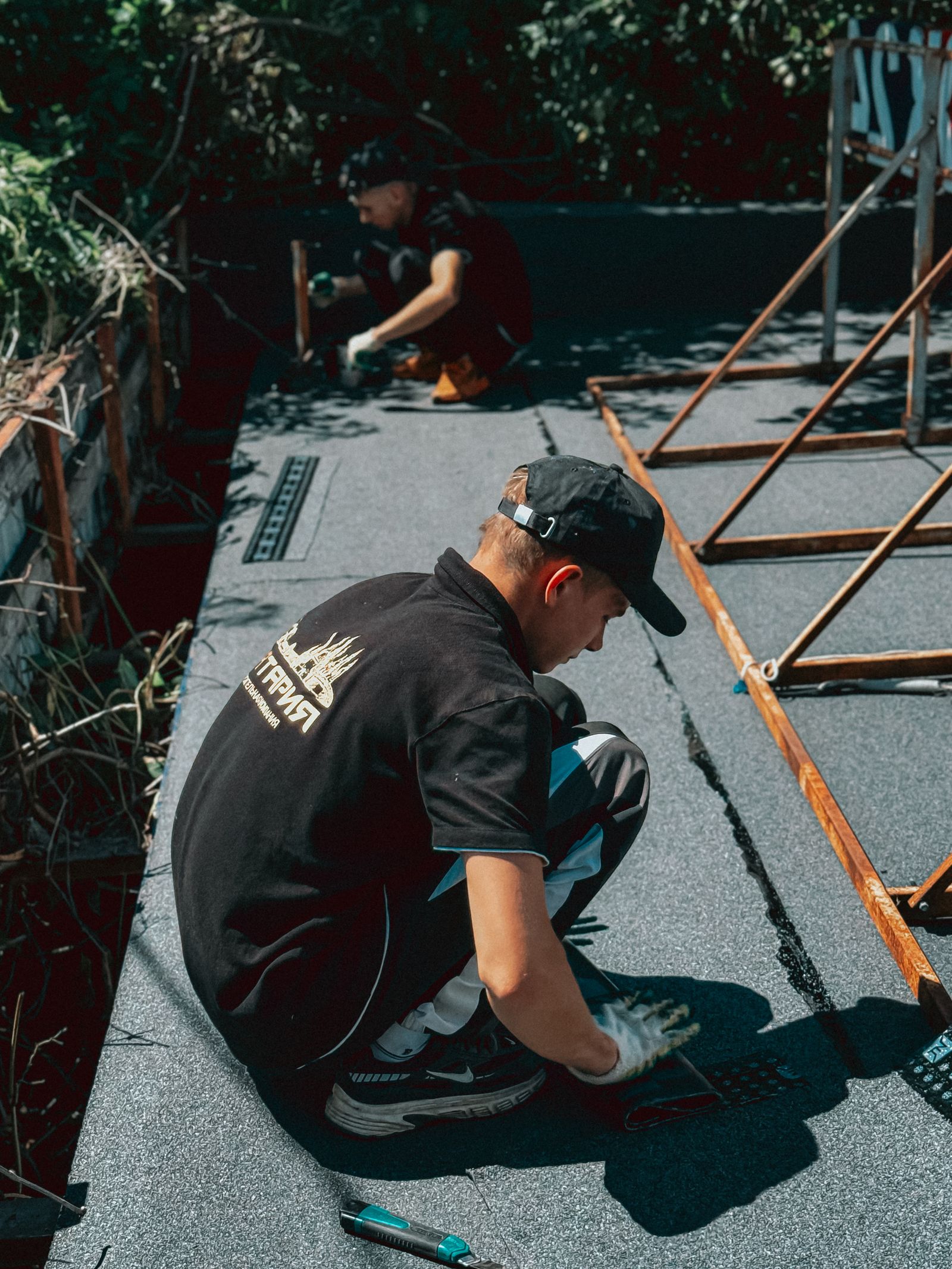
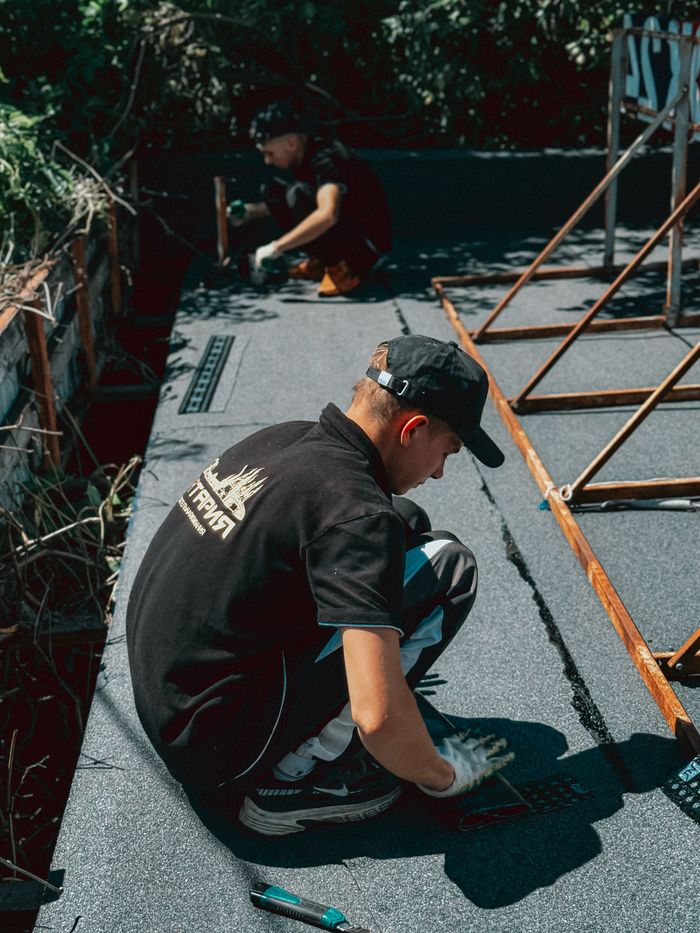
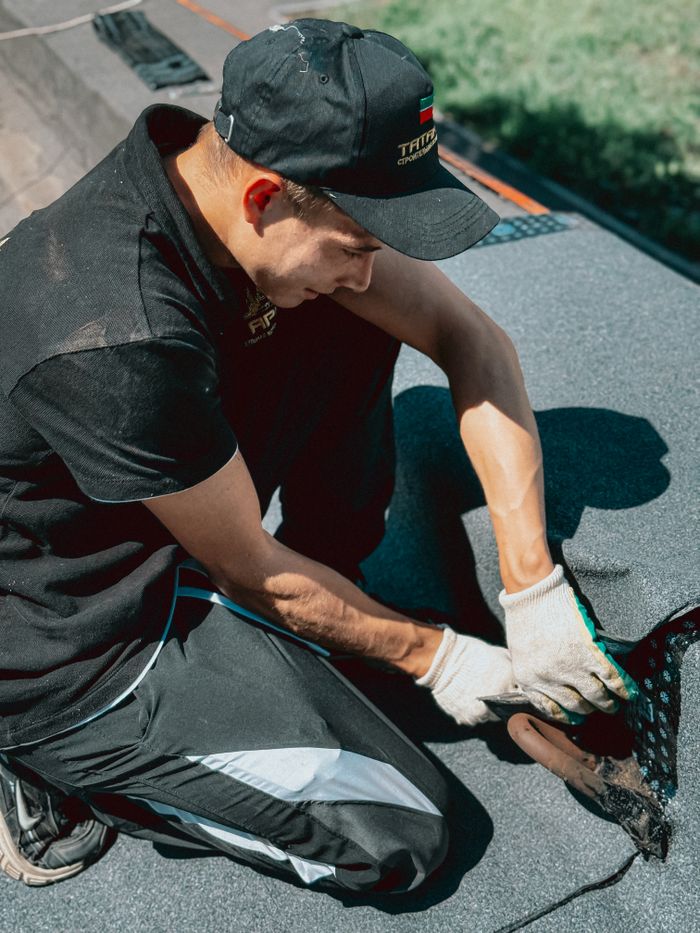
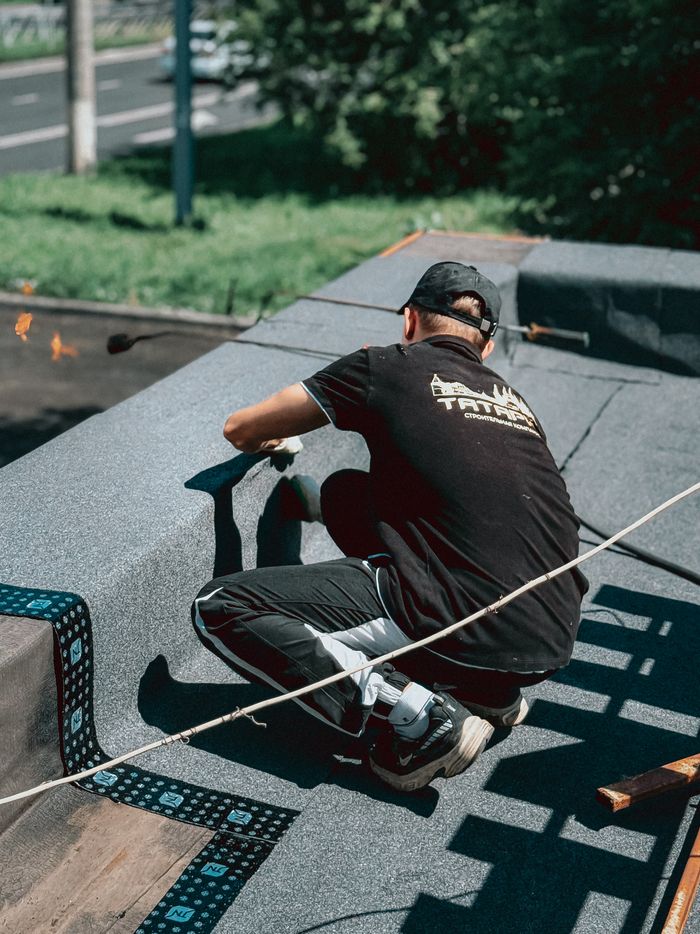
laid a base sheet and cap sheet torch-on membrane across the full 640 m²
reinforced every upstand, plinth and penetration with extra layers.
A section-by-section flood test confirmed the membrane and new drainage were performing before handover.
Handover
The building manager received photos of key details, product and warranty information and a simple maintenance schedule focused on keeping outlets clear. Since completion, the top-floor tenants have reported no further leaks.
The challenge
Water was ponding across large sections of the roof and leaking into two top-floor tenancies. The building remained occupied throughout, so work had to be scheduled around tenants and street access was limited.
Our solution
We stripped the failed membrane in stages, built up screeds to drain ponding areas and added outlets with overflows. A two-layer torch-on system was installed with reinforced details at every penetration, with noisy work scheduled outside core hours.


 New Build
 Multi-Unit
 Residential