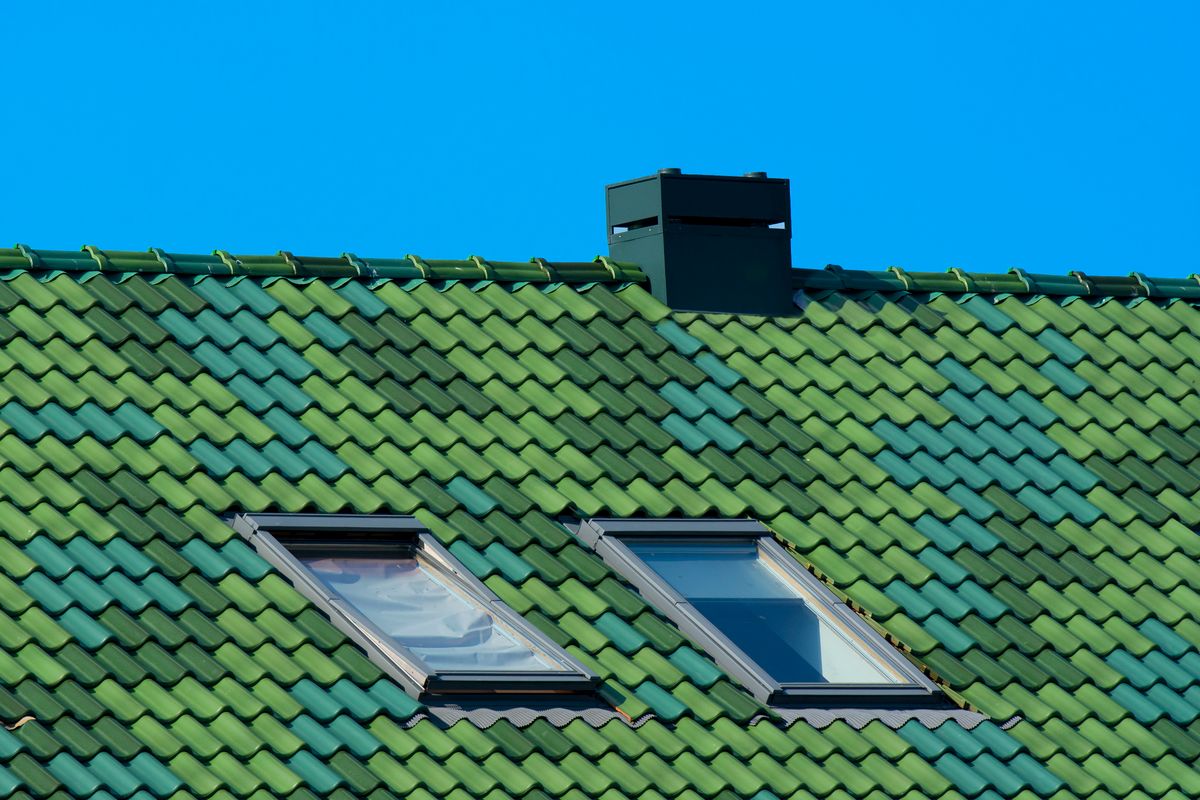
A skylight can transform a dark hallway or bathroom. But when water starts dripping from around it, that bright spot quickly becomes a worry.
The good news is that most skylight leaks have a clear cause, and many can be fixed without replacing the whole unit. Here’s what usually goes wrong and what can be done about it.
First, is it really a leak?
Not every drip near a skylight is rainwater getting in. Condensation is a common culprit, especially in Canberra’s cold winters.
Warm, moist air from showers, cooking and breathing rises and meets the cold glass or skylight shaft. It condenses and runs down, sometimes dripping onto the ceiling or floor.
Clues that it’s condensation rather than a leak:
- Drips appear on cold mornings, even when it hasn’t rained
- Water beads evenly across the inside of the glass
- The problem is worse in bathrooms and kitchens
Clues that it’s a leak:
- Water appears during or soon after rain
- Stains spread from one corner or side of the skylight
- The problem gets worse with wind-driven rain from a certain direction
Common causes of skylight leaks
Failed or poorly installed flashing
Flashing is the metal or flexible material that directs water around the skylight and back onto the roof. It’s the most common source of leaks. Flashings can lift, corrode, crack or simply have been installed incorrectly in the first place.
Worn seals and sealants
The seals between the glass and the frame, and any sealant around the edges, break down over time with sun exposure and temperature swings. Once they crack or shrink, water can find a way through.
Cracked glazing or dome
Hail, falling branches and age can crack glass or acrylic domes. Some cracks are small and hard to see from inside.
Debris build-up
Leaves and dirt can collect on the uphill side of a skylight, creating a dam that pushes water under flashings or seals. This is common under trees.
Damaged tiles or sheets nearby
Sometimes the skylight itself is fine, but a cracked tile or lifted sheet just above it lets water run down and appear around the skylight opening.
What you can safely check
Please don’t climb onto the roof to look at a skylight. The area around it is often steep, slippery and fragile.
From the ground and inside, you can:
- Use binoculars to look for leaves or debris piled up against the skylight
- Look for visible cracks in the glazing from inside
- Note when the leak happens and what the weather was doing
- Check the roof space around the skylight shaft for water marks, if it’s safe to access
Practical tip: Keep a simple log of when drips appear, including the date, whether it was raining and the wind direction. It can help a roofer find the source much faster.
How skylight leaks are fixed
Re-flashing
If the flashing is the problem, a roofer can remove and replace it with a correctly sized and installed kit to suit your roof type. On tiled roofs, this often involves lifting and relaying the surrounding tiles.
Resealing
Where seals have perished, they can sometimes be replaced. Sealant on its own is usually a short-term fix, so a good repair focuses on proper flashing and seals rather than just adding more silicone.
Replacing the glazing or unit
If the glass or dome is cracked, or the unit is old and failing in several areas, replacement may be the better long-term choice. Newer units may also offer better insulation, which can help with condensation.
Fixing surrounding roof damage
Cracked tiles or damaged sheets near the skylight should be repaired at the same time, so the area is fully watertight.
Dealing with condensation
If condensation is the issue, improving airflow can help:
- Use exhaust fans in bathrooms and kitchens, and make sure they vent outside
- Consider an insulated skylight shaft
- Look at roof space ventilation, especially on metal roofs
Don’t leave it too long
A small skylight leak can soak ceiling plasterboard and insulation over time, leading to stains, sagging and mould. Getting it checked early usually means a simpler repair.
If your skylight is leaking or fogging up, book a free inspection with the Roofing team. We’ll find the cause and explain the most practical fix.