

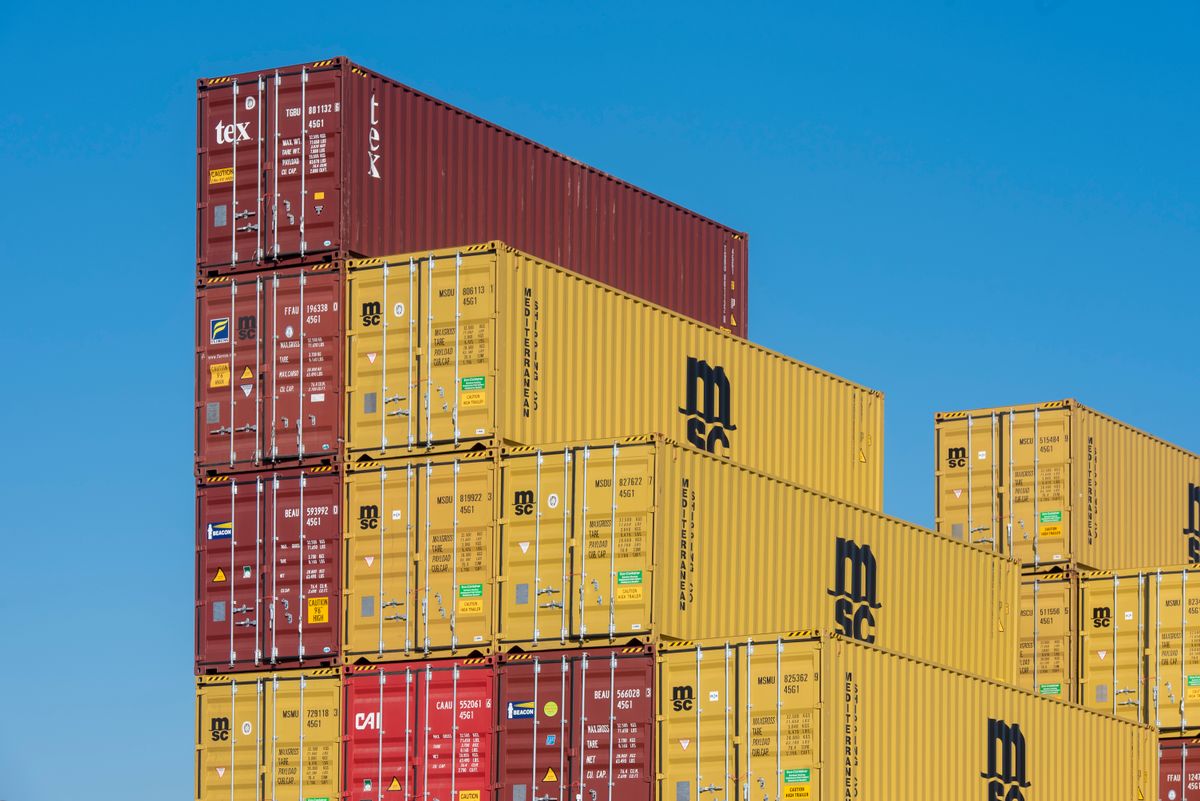
Sea freight comes in two main forms: a full container load (FCL), where you pay for the whole container, and less than container load (LCL), where you share space with other shippers. Choosing the right one can make a big difference to cost and transit time.
The quick rule of thumb
Shipments under about 13–15 cubic metres are usually cheaper as LCL. Above that, a full 20ft container often costs the same or less, and it is faster and simpler.
Cost
LCL is priced per cubic metre (or per tonne, whichever is greater), plus handling charges at both consolidation hubs. FCL is priced per container. As your volume grows, the per-unit cost of LCL overtakes the fixed cost of a full box.
Speed
LCL cargo is combined at an origin hub and split at a destination hub. Those extra steps typically add a few days compared with FCL, which travels directly from your supplier to your door.
Handling and risk
In an LCL container your goods share space with other cargo and are handled more often. Good packing and labelling matter. With FCL, the container is sealed at origin and opened only by you or customs.
When LCL makes sense
- Small or trial orders
- Regular part loads from several suppliers (ask about buyer consolidation)
- Stock you want little and often rather than in bulk
When FCL makes sense
- Volumes above about 15 cubic metres
- Fragile or high-value goods that you want sealed at origin
- Time-sensitive stock
Not sure which is right for your next shipment? Request a quote and we will price both options side by side.


